Will You Pay Import Duty on a Wedding Dress From Vietnam?
Three brides asked this on Reddit and nobody answered. One paid $10 in duty. Another was billed over £1,000. Here is what actually decides which one you are, including the American rule that changed in 2025.
A bride wrote this on Reddit and got no useful reply:
> My worry is taxes, shipping, and mostly customs/import fees bumping up the price too significantly. … If you ordered from a Vietnamese bridal shop and had it shipped to the US, what were the extra costs that were tacked on?
A second bride asked the same thing about shipping to Europe. A third asked, in six words, how much tariff would be for a $1400 dress. None of the three got an answer with a number in it.
We make wedding dresses at 106–108 Đường 3 Tháng 2 in Ho Chi Minh City and we ship them to brides who have never been to Vietnam. So this question arrives in our inbox most weeks, and for years the honest answer was a shrug. It is not a shrug any more, because the rules in the biggest market changed in 2025 and almost nothing written about buying a dress in Vietnam has caught up.
One warning before anything else. **We are dressmakers, not customs brokers.** Everything below is either a document you can open yourself or a bride's own account, with a link so you can check it. Where we do not know, we say we do not know. Rates move; the official page for your own country is the only thing that is current on the day you order.

1. Two brides, the same purchase, $10 and £1,000
In all our forum research we found exactly two brides who published a real figure. They are worth putting side by side, because the gap between them is the entire subject of this article.
The first bought two dresses from Vietnam, a wedding gown and a traditional dress, and wrote:
> Total + shipping is $299 (one wedding dress one traditional dress). The team facetime me and showed me how to measure … Tariffs is $10.
Ten dollars. The second bride, shipping into the United Kingdom, wrote:
> UPS has been billing me over £1000 for import fees for the dress, I wonder if those fees truly apply in this situation?
Same kind of purchase. A hundredfold difference. And in that second thread somebody explains why, in one sentence that is the most useful sentence in this entire article:
> Goods have incurred customs charges as there was no relief claimed at the time the customs declarations were filled.
Read that again. The bill was not caused by the dress, the price, or the country it came from. It was caused by **what was written on the paperwork, and what was left off it.**
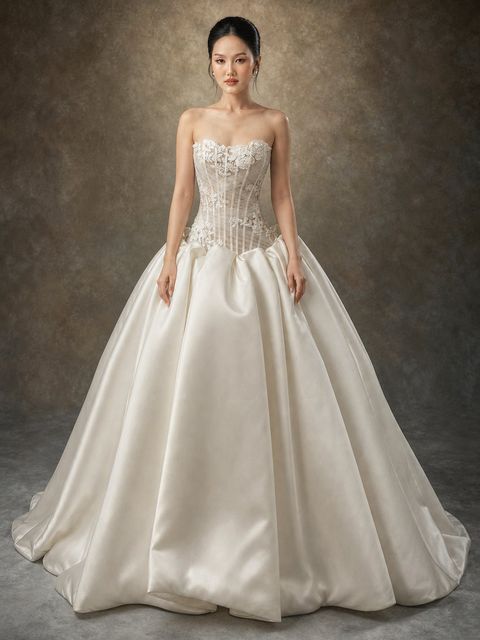
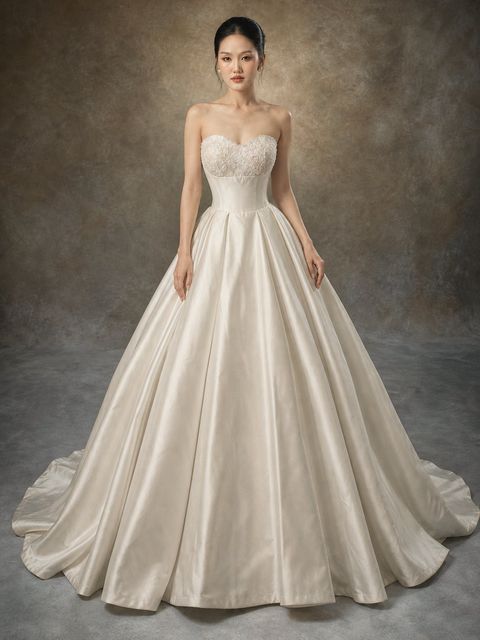
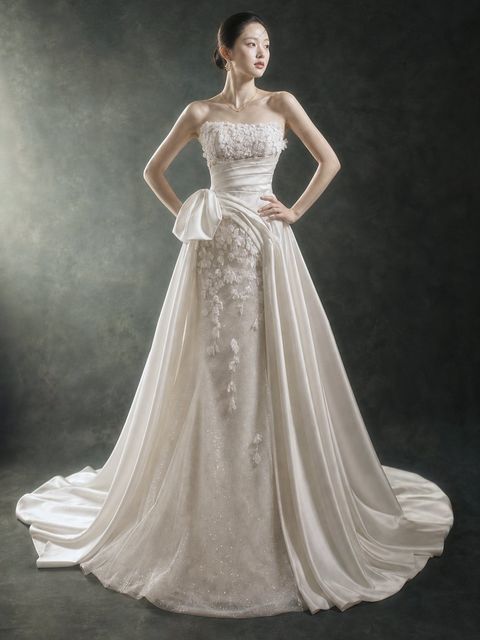
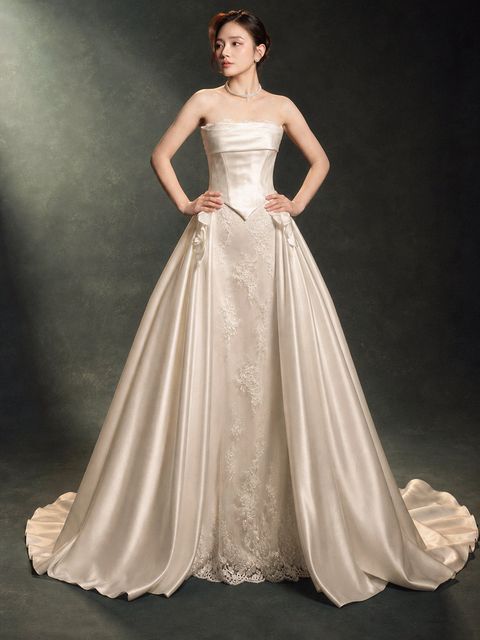
That is the real answer to the question nobody answered. The duty on a wedding dress is not a fixed number you can look up and plan around. It is an outcome of three things: the declared value, the customs code, and whether anyone claimed the relief that applied. Two of those three are filled in by the shop. One of them, in most countries, only you can claim.
2. The American rule that changed, and why old advice is now wrong
If you are in the United States and you have read a blog saying a dress under $800 arrives duty-free, that blog is out of date. Here is the paper trail.
For years the United States let low-value shipments in without duty under what was called de minimis: goods at or under $800 per person per day came in free. That is what made a $300 dress from Asia land on your doorstep with nothing to pay. It is gone.
| 2 May 2025 | De minimis ends for goods from China and Hong Kong |
| 29 Aug 2025 | Executive Order 14324 suspends duty-free de minimis treatment for all countries |
| July 2025 | The One Big Beautiful Bill Act terminates the exemption by statute from 1 July 2027 |
| 24 Jun 2026 | CBP interim final rule 91 FR 37789 makes the suspension indefinite for every mode except international post |
| 24 Jul 2026 | Companion rule 91 FR 37801 covers postal shipments and adds a new informal entry process |
The practical effect, in one line: **a parcel worth $800 or less is now treated like any other import.** Duty and fees are worked out from its classification and its country of origin, not waived because it is small. You can read both rules yourself on the Federal Register — search the citations 91 FR 37789 and 91 FR 37801 — and the compliance dates are published by CBP as CSMS messages.
We are not going to print an American duty percentage for a wedding dress. Two reasons, and both are honest ones. Apparel rates depend on the exact fabric composition, so a satin gown and a polyester-tulle gown can sit under different lines of the tariff schedule. And the broader American tariff picture moved again in February 2026, when the Supreme Court held that the IEEPA does not authorise tariffs — a ruling that did not restore de minimis, which was continued separately, but which did change the surrounding rates. Anything we printed today could be wrong by the time you order.
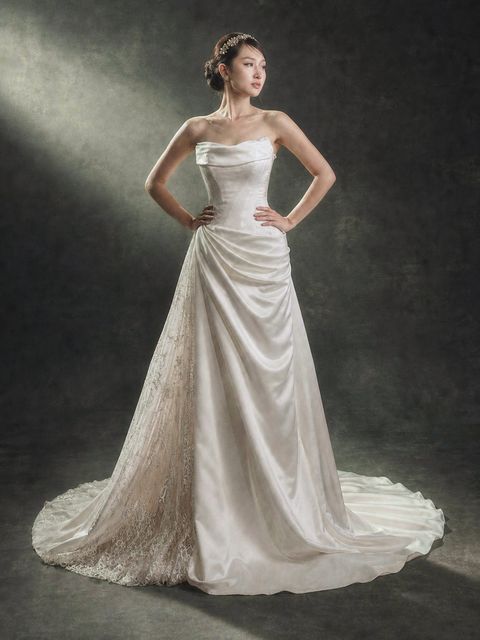
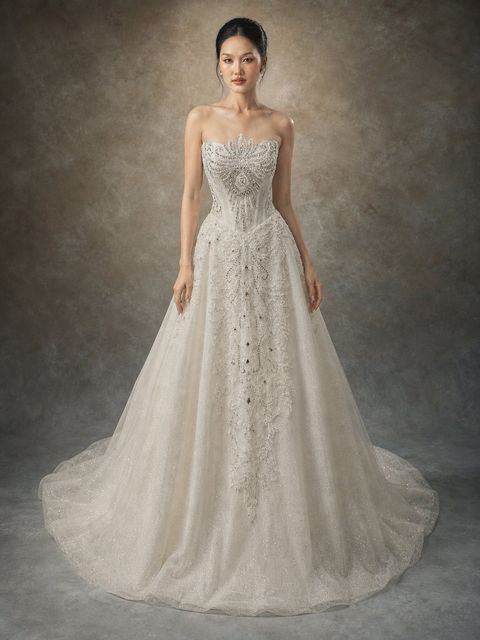
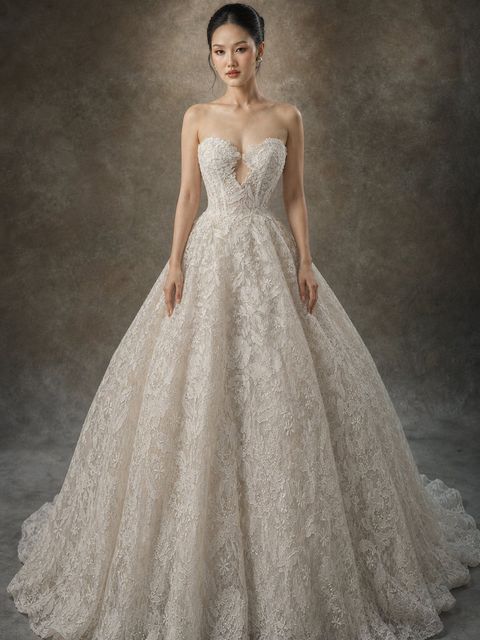
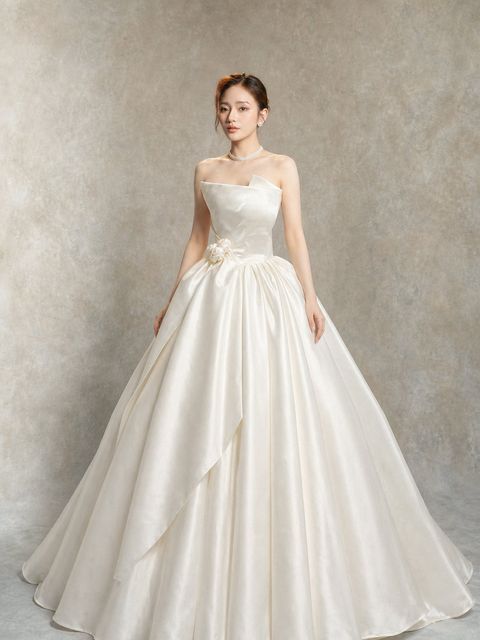
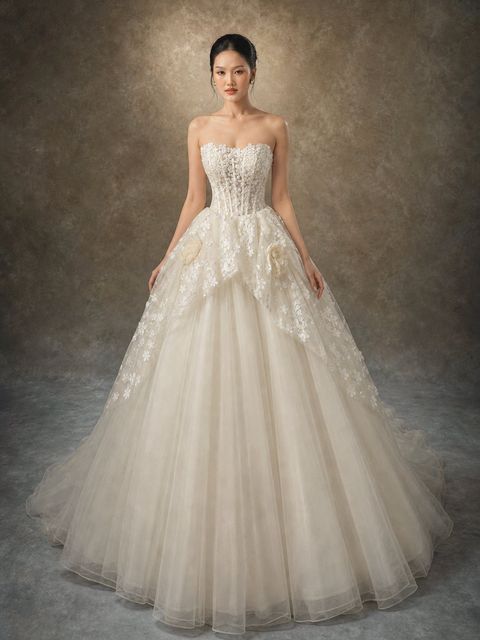
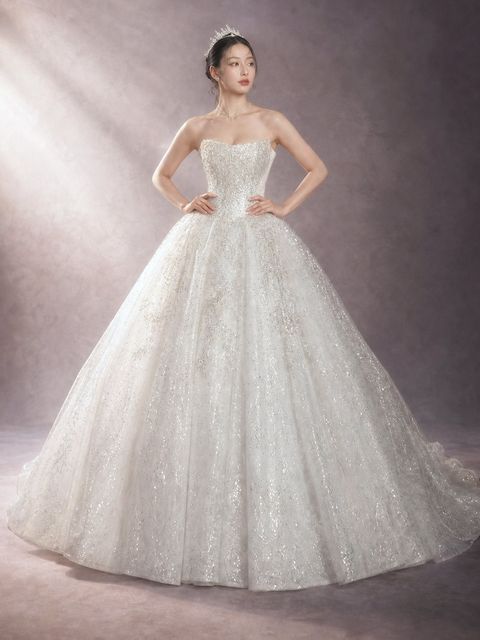
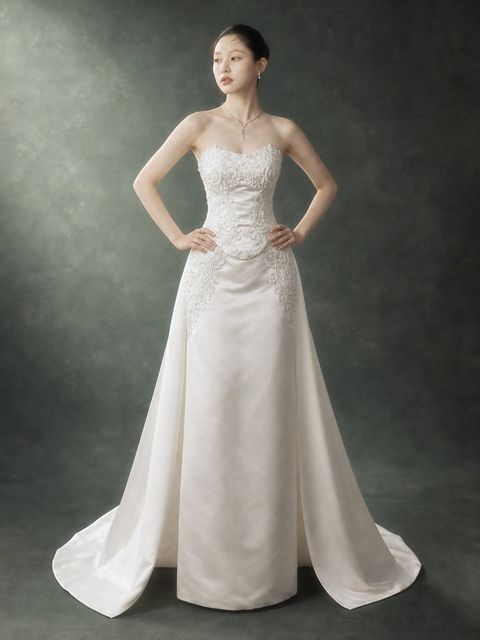
What we will tell you is that **apparel is one of the more heavily taxed categories in most tariff schedules.** It is not a rounding error. If you are budgeting for a dress from anywhere outside your own country in 2026, put a line in the budget for duty and leave it there, even if it comes back as $10.
3. Your country, as of October 2026
These are the thresholds below which customs duty is generally not charged. **Treat every row as a starting point for your own check, not as advice** — four of the five have moved or are moving, and we are a bridal shop, not your customs authority.
| United States | No duty-free threshold any more. Suspended indefinitely. Check CBP |
| United Kingdom | No customs duty on consignments of £135 or less — but VAT is still due, and is normally collected by the seller at the point of sale. Check HMRC |
| European Union | €150 duty exemption, which the Council voted on 13 Nov 2025 to remove, with an interim flat charge on sub-€150 parcels from 1 July 2026. VAT has applied to all imports since July 2021. Check the European Commission |
| Australia | No duty on goods up to AUD 1,000. GST is handled separately through vendor registration. Check the Australian Border Force |
| Canada | Sources disagree: CAD 20 for duty and CAD 40 for tax under the standard rule, versus higher figures under the CUSMA agreement — which covers goods of US and Mexican origin, so not a dress from Vietnam. Check the CBSA |
Two things stand out if you read that table as a bride rather than as a list.
The first is that **Australia is the easy one.** A dress at our prices is nowhere near AUD 1,000, so an Australian bride is in the simplest position of anyone reading this.
The second is that the United Kingdom bride who got the £1,000 bill was shipping something worth far more than £135 — a dress in a different price class from ours — and the real damage came from the relief not being claimed, not from the threshold. Which brings us to the part that is actually in your control.
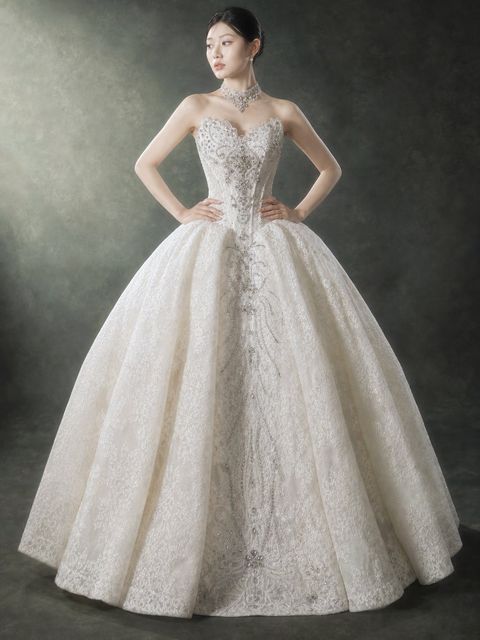
4. How to find your own number in about five minutes
You do not need a broker for this. You need three pieces of information, and a shop that will give you the first two in writing before you pay anything.
**One: the customs code.** A wedding dress is clothing, and women's dresses sit in HS heading 6204, with the final digits set by what the fabric is made of. Ask your shop for the exact code they will write on the declaration. If they cannot tell you, that tells you something about how many international orders they have actually shipped.
**Two: the declared value and the country of origin.** For us that is the price you paid and Vietnam. It should match your invoice exactly.
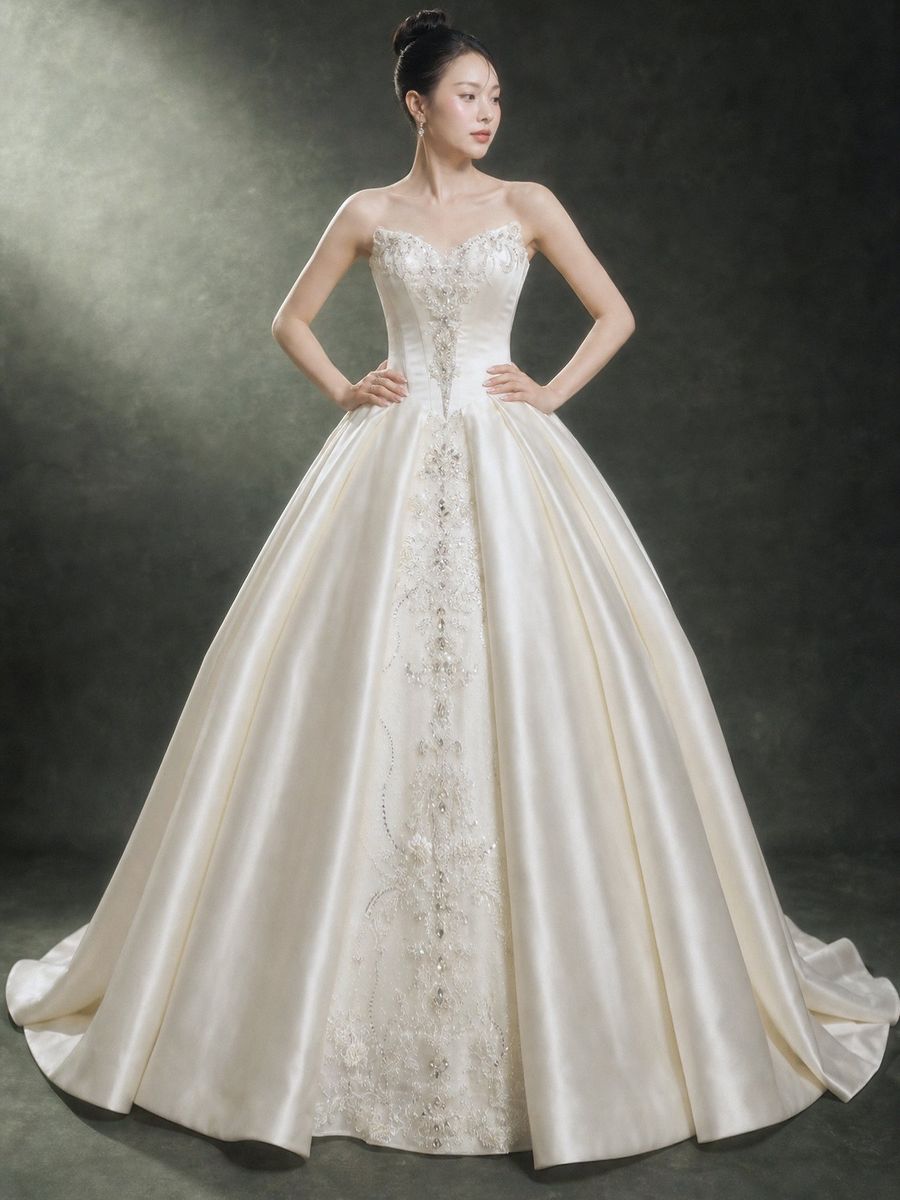
**Three: your own country's tariff lookup.** Every customs authority publishes one, free. Type in the code and the origin and it returns the rate. In the United States it is the Harmonized Tariff Schedule; in the UK it is the Trade Tariff tool; the EU has TARIC; Australia and Canada both publish their schedules online. Add your own sales tax — VAT or GST — on top, because in most countries that is charged on the value of the goods plus the shipping plus the duty, not on the goods alone.
Then write the result into your wedding budget as a real line item. A bride who has budgeted $60 and pays $40 has a nice surprise. A bride who has budgeted nothing and gets a courier invoice three days before the wedding has the worst week of her engagement.
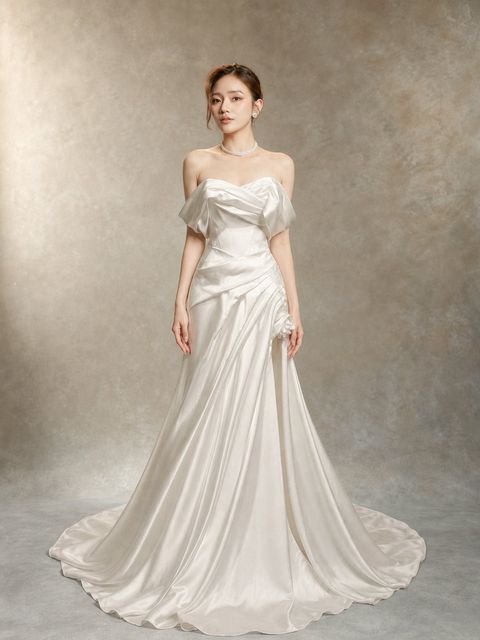
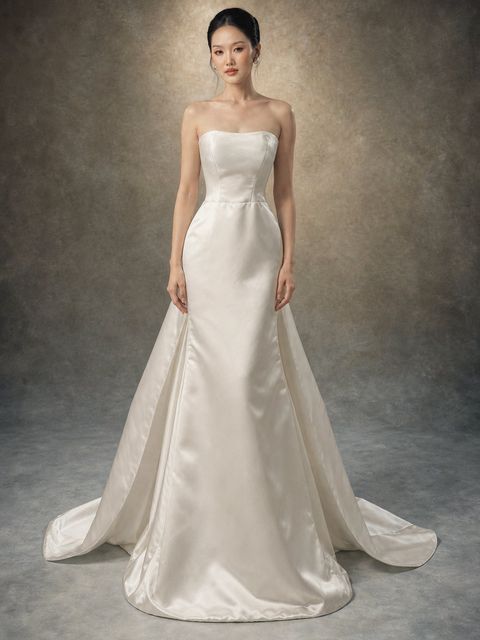
5. What we write on the customs form, and why it is the real price
Shops offer to under-declare. It gets offered quietly, as a favour, and it is the single worst favour anyone in this trade can do you.
We declare the price you actually paid. Here is the self-interested reason as well as the honest one: the declared value is what your dress is **insured** for. Declare a $300 gown as a $30 gift and you have saved a few dollars of duty and thrown away your cover. If that parcel is lost — and parcels are lost — you are owed thirty dollars.
There is a second reason. A gown declared as a worthless gift is exactly the profile customs officers are trained to open. Under-declaring does not make your parcel invisible; it makes it interesting. The bride whose dress sat in a Kentucky warehouse for a month did not need that on top of everything else.
So: ask any shop, anywhere, to confirm in writing that they will declare the real price. If they refuse, or if they wink at you about it, you have learnt something useful for free.
6. The other way home: carry it
Almost nobody writes this down, so here it is. **If you are coming to Vietnam anyway, the cheapest and fastest customs solution is your own hand luggage.**
A wedding dress travels as a garment bag in the cabin. Most airlines will either hang it in the crew wardrobe on a long-haul flight or let it ride in the overhead bin, and a dress you walk through the airport with is a dress that does not sit in a sorting facility for three weeks waiting for a declaration to be processed. Brides on the forums arrive at this conclusion by themselves and then describe it as the best decision they made.
If you are doing it, three practical notes from packing a lot of these. Ask the shop to pack it **folded in tissue in a flat box** rather than on a hanger if you are connecting through a small aircraft, because wardrobes are the first thing to disappear on a regional leg. Ask for the invoice to travel with the dress in your hand baggage, not inside the box. And check your airline's garment bag policy in writing before you fly rather than at the gate, because the rule differs by carrier and sometimes by aircraft.
Then it is the dress you own, going home with you. No courier, no tracking number to refresh at two in the morning.
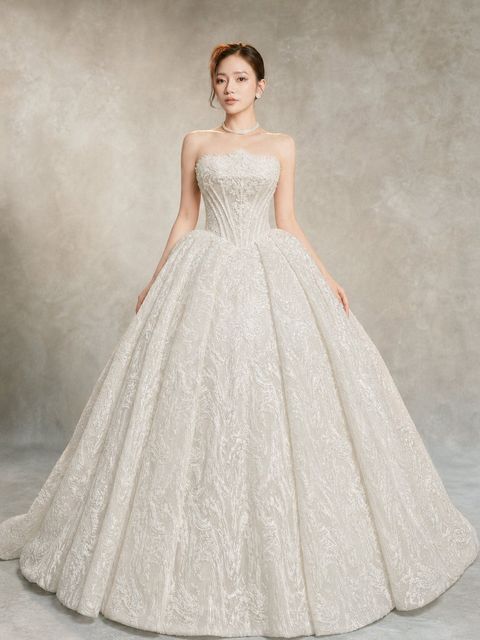
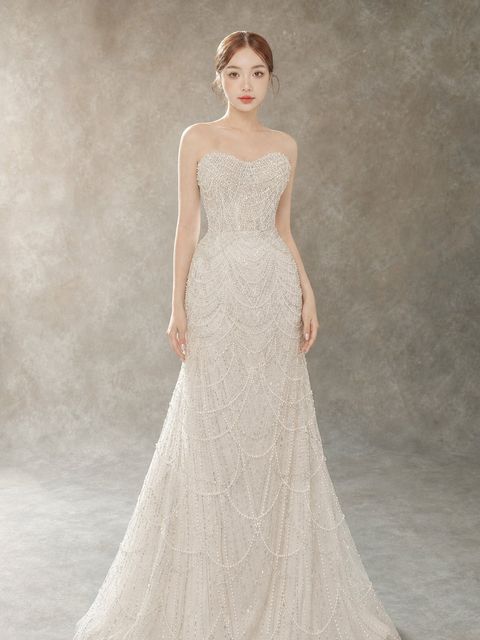
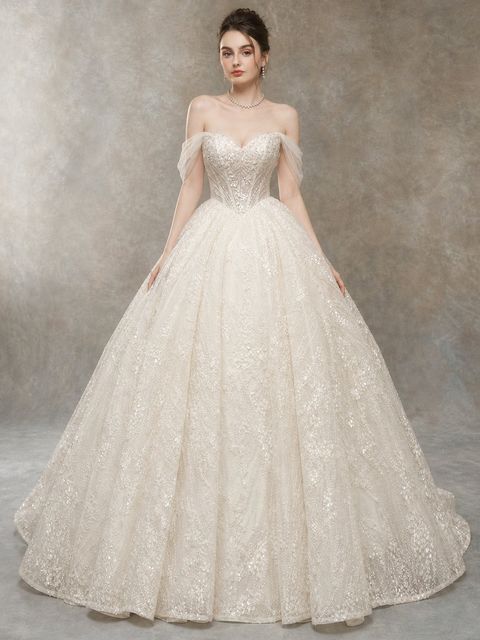
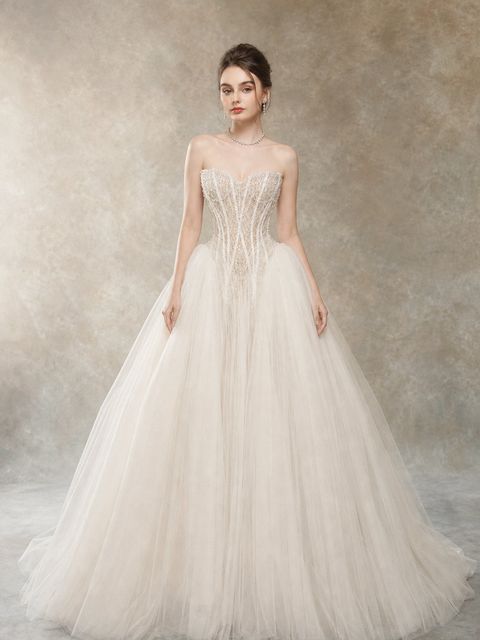
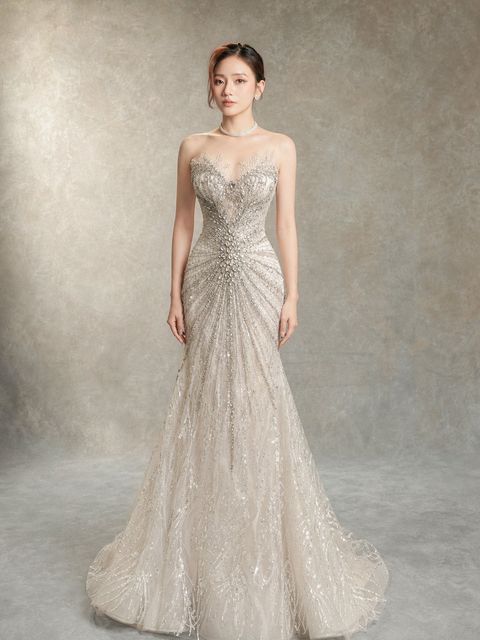
7. How the dress travels when you are not carrying it
Our own route, so you can compare it with whatever you are quoted elsewhere.
| Choosing, over a live video call | The same week you ask |
| Alterations to your measurements | 2 – 3 days |
| DHL, tracked, door to door | 3 – 7 days |
| Total, from your yes to the dress in your hands | 5 – 10 days |
Shipping is free and tracked. Duty in your own country is yours, and we cannot pay it or predict it — see everything above for why.
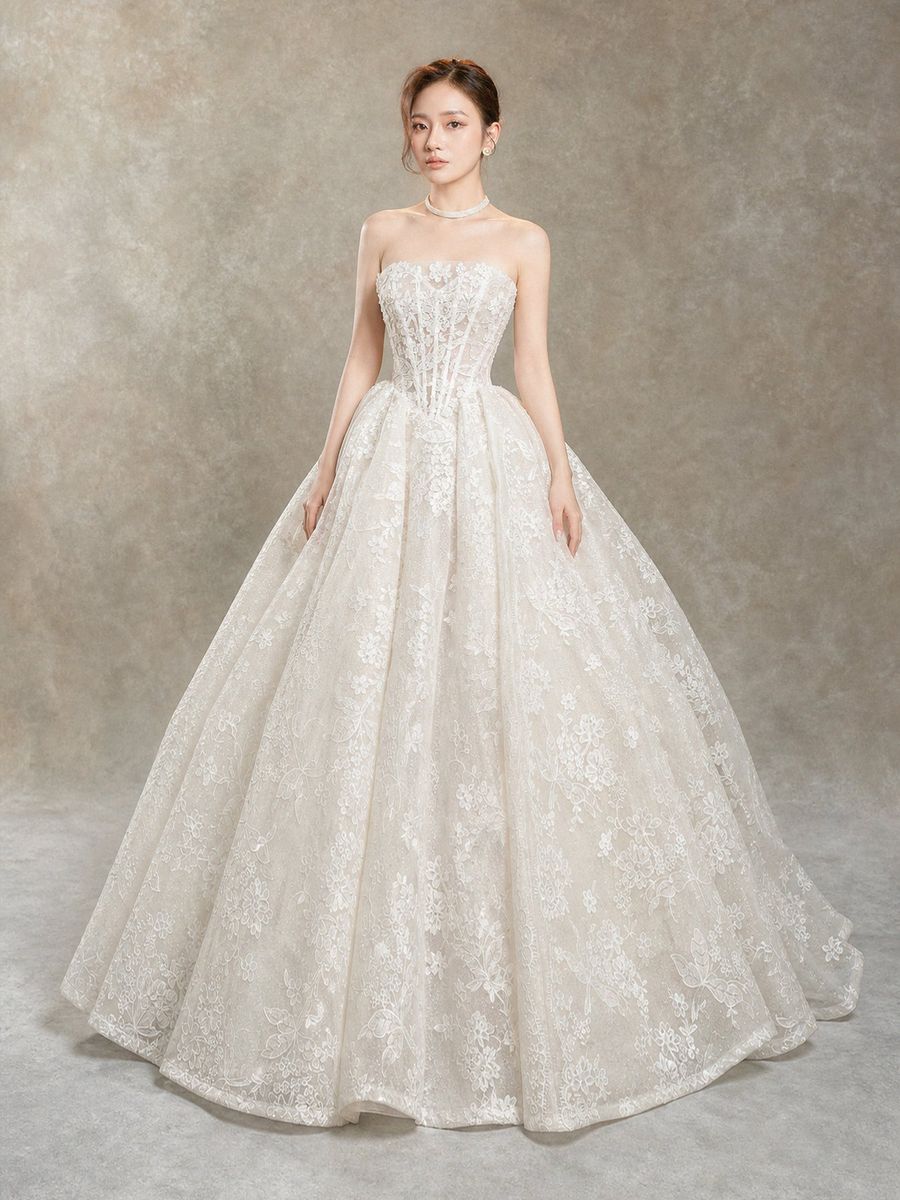
Five to ten days is the number that matters here, and not because it is fast for its own sake. It is the number that gives you room. A made-to-order gown, from us or from anyone, takes eight to twelve weeks in the workshop and then still has to clear the same customs. If something goes wrong in week eleven, there is no plan B. If something goes wrong on day six, there is.
Which is the actual lesson of the Kentucky story. That bride ordered two months ahead, which sounds generous, and spent three weeks of it calling a courier every day:
> For some reason, the dress was stuck in a warehouse in Kentucky for almost a month! … I called and emailed UPS literally every day for 3 weeks. … It finally arrived 3 weeks before the wedding. The dress was beautiful and fit perfectly but it was an emotional 3 weeks.
Two months was not too little time. It was too little **slack**. Order early enough that a month-long hold is an annoyance rather than a catastrophe.
8. What can still go wrong
**The courier invoices you weeks later.** Duty and handling are often billed after delivery, not at the door. Do not assume a dress that arrived with nothing to pay was free. Keep the money set aside until the invoice window has passed.
**Nobody claimed a relief you were entitled to.** This is what cost the UK bride four figures. If the dress is entering your country temporarily, or if any relief applies to your situation, it has to be claimed **on the declaration, at the time**, not argued about afterwards. Ask before the parcel moves.
**The dress fits, but there is no seam allowance left.** Not a customs problem, but the most common regret we found, and worth one line here because it is free to prevent:
> Heavy on the generous seams!! I made the mistake of not ensuring this when I got one custom made in Vietnam fully remotely. A couple areas were slightly too tight when it arrived … but didn't have any seam allowance.
Ask for generous seams in writing. It costs the workshop nothing and it is the difference between a local seamstress fixing a dress in an afternoon and a local seamstress telling you it cannot be fixed.
**The address is wrong in a way that only matters abroad.** A missing apartment number that a domestic courier would guess at will park an international parcel. Read the shipping label back to the shop, character by character, before it goes.
9. Frequently asked questions about importing a wedding dress from Vietnam
Will I pay import duty on a wedding dress from Vietnam?
Probably something, and it depends entirely on your own country. The United States suspended its $800 duty-free allowance indefinitely in 2025 and confirmed that by rule in June 2026, so American brides should assume duty applies. Australia charges none below AUD 1,000. The UK charges none below £135 but VAT still applies. The EU's €150 exemption is being removed. Look up your own tariff with HS heading 6204 and the origin Vietnam.
How much duty did real brides actually pay?
The only two published figures we could find in months of forum research were ten dollars, on a $299 order of two dresses into the United States, and over £1,000 into the United Kingdom on a much more expensive gown where no relief was claimed on the declaration. There is no typical figure; there is only your paperwork.
Is the $800 US de minimis exemption really gone?
Yes. It ended for China and Hong Kong on 2 May 2025, was suspended for all countries by Executive Order 14324 on 29 August 2025, and was made indefinite by CBP interim final rule 91 FR 37789 effective 24 June 2026, with postal shipments covered by 91 FR 37801. Statute terminates it outright from 1 July 2027.
Can you declare a lower value so I pay less?
No. We declare the price you paid. The declared value is also the insured value, so under-declaring would leave your dress uninsured, and a gown declared as a cheap gift is more likely to be opened and held, not less.
Is it cheaper to carry the dress home in my luggage?
Usually yes, and faster. If you are coming to Vietnam, take it with you as a garment bag in the cabin. Check your airline's policy in writing first, and keep the invoice in your hand baggage.
How long does shipping from Vietnam take?
DHL, tracked and free, is three to seven days door to door and usually meets it. Add our two to three days of alterations and the whole thing is five to ten days from your decision. Build in slack anyway — one bride's dress sat in a US warehouse for nearly a month.
What customs code is a wedding dress?
Women's dresses sit in HS heading 6204, with the last digits depending on the fabric. Ask any shop to give you the exact code they will declare before you pay a deposit.
Do you pay the duty for me?
No, and be careful with any shop that says it does. Shipping is free from us; duty is levied on you as the importer by your own government, and it is not ours to settle.
What does a wedding dress cost at your shop in Vietnam?
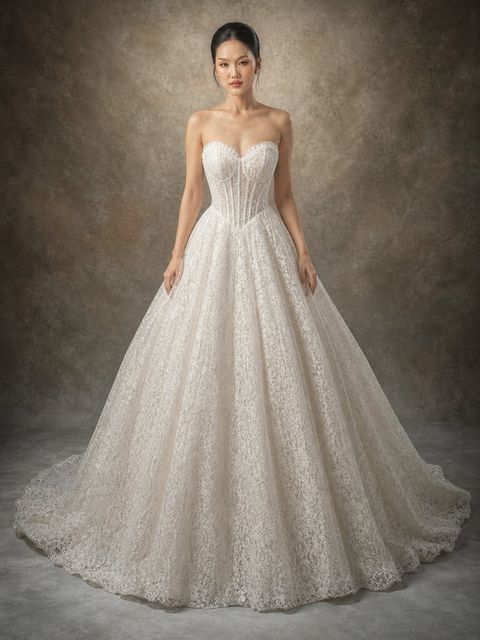
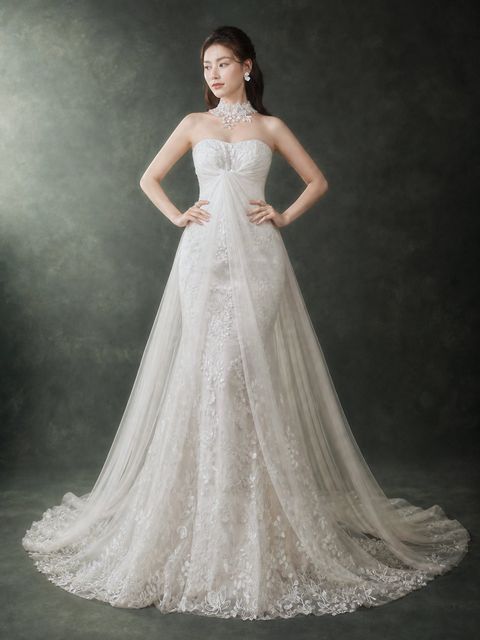
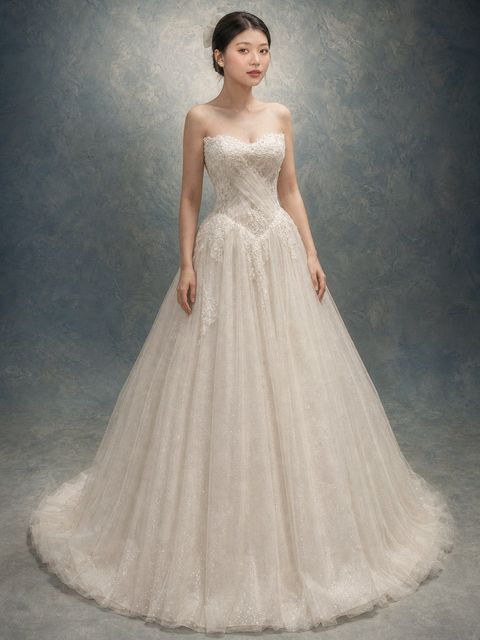
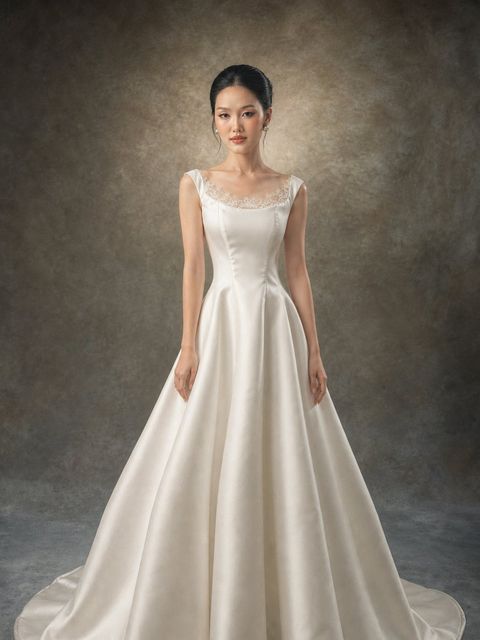
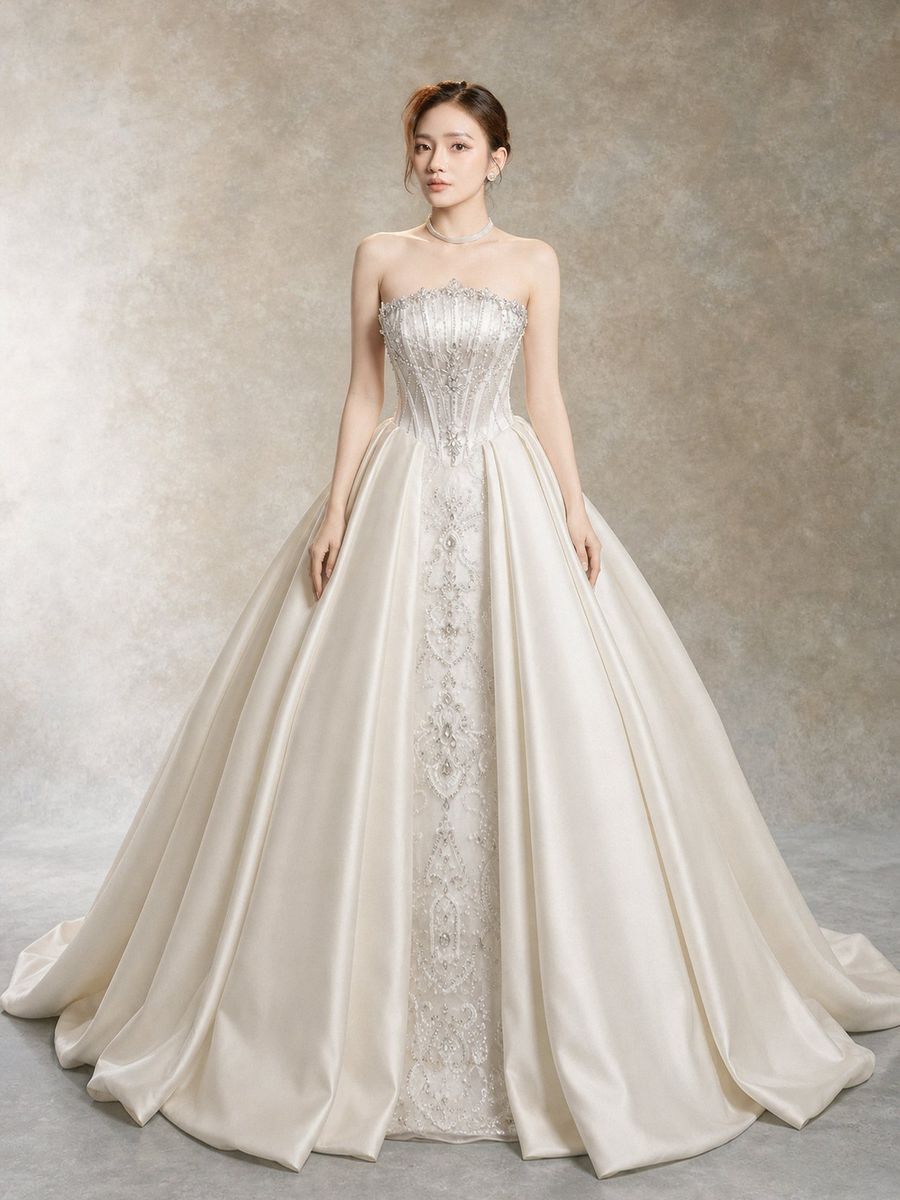
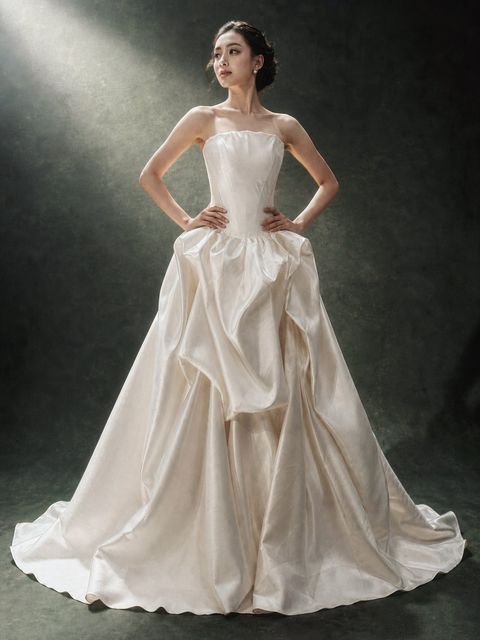
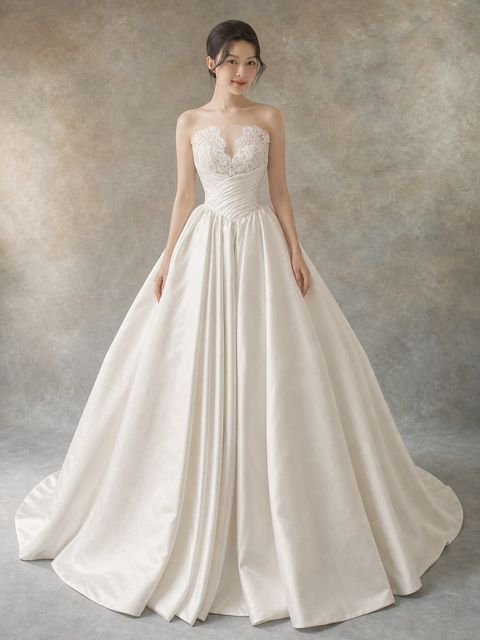
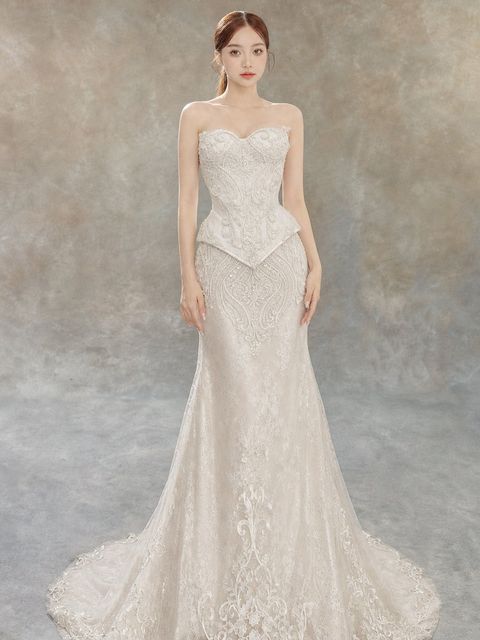
Today there are 297 gowns on the rail, from $65 to $1,535, each with its price printed on it before you speak to anybody.
10. The honest answer to the question
We still cannot tell that bride what she will pay. Her number depends on her government, her fabric and her paperwork, and anyone who gives her a confident figure without asking which country she lives in is guessing at her expense.
What we can tell her is the four things that decide it, which is more than her thread got in eight months: the declared value must be the real price · the customs code must be the right one and you should have it in writing before you pay · any relief you are entitled to must be claimed on the declaration at the time, not afterwards · and the cheapest customs procedure of all is a garment bag in the overhead bin.
Take those four to any shop in Vietnam, this one included. A shop that can answer all four without hesitating has shipped a lot of dresses. A shop that cannot is about to practise on your wedding.
Đang cân nhắc một chiếc váy may đo?
Hãy bắt đầu bằng một buổi thử váy qua video. Không cọc, không ràng buộc, từ bất cứ đâu trên thế giới.
Đặt lịch thử váy